
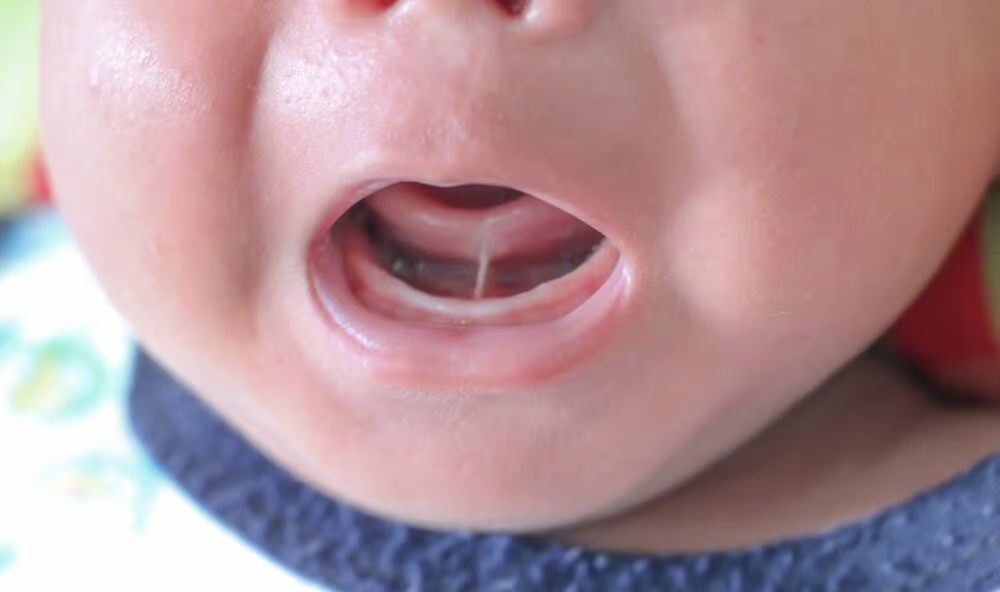
Tongue Tie in Newborns — Everything Nobody Told You
The Reality of Tongue Tie in Newborns: What Parents Need to Know
Tongue tie, also known as ankyloglossia, is a condition where the tissue connecting the tongue to the floor of the mouth is too short or thick. This condition can cause a range of symptoms and problems for newborn babies, from feeding difficulties to speech delays. In this article, we’ll delve into the world of tongue ties in newborns, exploring the causes, symptoms, diagnosis, treatment options, and more.
Causes of Tongue Tie in Newborns
While the exact cause of tongue tie is still unknown, research suggests that it may be related to genetic factors. Some studies have found a higher incidence of tongue tie among families with a history of the condition. Other potential risk factors include premature birth and low birth weight.
Signs Baby Has Tongue Tie
Identifying tongue tie in newborns can be challenging, but there are some common signs to look out for. These may include:
- Persistent difficulty feeding or latching
- Regurgitation of milk after feeding
- Failure to gain weight or show growth patterns
- Difficulty breathing or pausing between breaths
- Speech delays or difficulties making sounds
Lip Tie vs Tongue Tie: What’s the Difference?
While both lip tie and tongue tie are types of frenectomies, they have different causes and effects. Lip tie is a condition where the tissue connecting the upper lip to the gum is too short or thick. This can cause difficulties with feeding, speech, and facial expressions. Tongue tie, on the other hand, affects the connection between the tongue and the floor of the mouth.
Tongue Tie Diagnosis: What to Expect
Diagnosing tongue tie in newborns typically involves a combination of clinical evaluation and diagnostic tests. A healthcare provider may use a specialized tool called a frenectomy probe to assess the tongue tie. In some cases, an X-ray or other imaging test may be ordered to rule out other conditions.
Tongue Tie Release Procedure: What Happens During Frenectomy
The frenectomy procedure is typically performed by an oral surgeon or pediatric dentist. The goal of the procedure is to release the tongue tie, allowing for easier movement and feeding. The procedure can be done under general anesthesia or conscious sedation.

Tongue Tie Complications: What to Watch Out For
While the frenectomy procedure is generally safe and effective, there are some potential complications to watch out for. These may include:
- Infection or bleeding
- Pain or discomfort during healing
- Scarring or tissue damage
- Difficulty swallowing or speaking
Expert Tips: How to Help Your Baby with Tongue Tie
While every baby is different, there are some general tips that can help your baby with tongue tie. These may include:
- Tip 1: Use a nipple shield or other feeding aids to make feeding easier and more comfortable.
- Tip 2: Try the “cupped” position, where you cradle your baby’s head in your hands while feeding.
- Tip 3: Offer plenty of opportunities for tummy time to help strengthen neck muscles.
- Tip 4: Consider using a tongue tie exercises kit or other products designed specifically for babies with tongue tie.
- Tip 5: Be patient and don’t hesitate to seek professional advice if you’re concerned about your baby’s feeding or speech development.
Tongue Tie Speech Delay: What You Need to Know
Speech delays can be a common complication of tongue tie. When the tongue tie is released, babies may experience difficulties with articulation and speech development. In some cases, speech therapy may be necessary to help your baby catch up.
Is Tongue Tie Related to Rebound or Reflux? What’s the Connection?
There is ongoing debate about whether tongue tie is related to rebow or reflux. Some research suggests that children with tongue tie may be more likely to experience regurgitation and other feeding issues. However, more studies are needed to fully understand this connection.
Tongue Tie Weight Gain Issues: What’s the Connection?
Research has suggested a link between tongue tie and weight gain issues in babies. When the tongue tie is released, babies may be able to eat more easily and gain weight at a healthy rate.
Tongue Tie Pain Breastfeeding: How Can You Make it Easier for Your Baby?
Breastfeeding can be challenging with tongue tie. To make feeding easier, try using a nipple shield or other feeding aids. You can also try the “cupped” position to cradle your baby’s head in your hands while feeding.
Final Thoughts: What Can Parents Expect
Tongue tie is a common condition that affects many babies. While it can be challenging, there are ways to manage symptoms and support your baby’s development. Remember to stay patient and advocate for your baby’s needs – with the right support and care, your baby can thrive despite tongue tie.