

Explore why do babies sleep with their butts in the air and what it means for their comfort and development. Learn how this quirky position is perfectly normal.
Table of Contents
Why Do Babies Sleep with Their Butts in the Air?
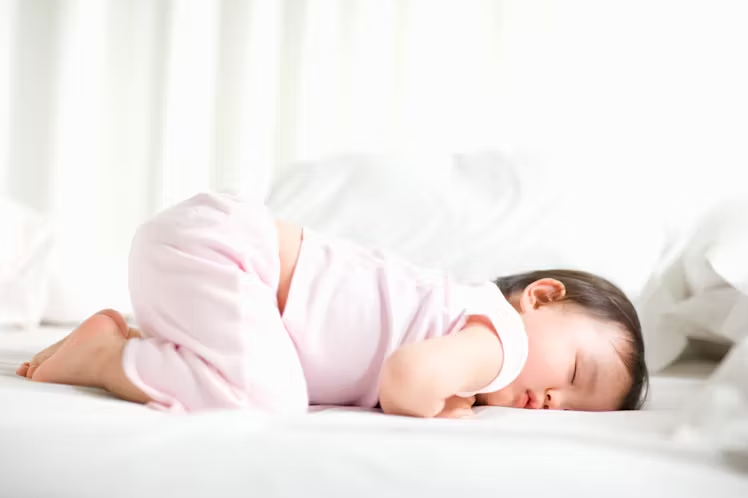
Have you ever peeked into your baby’s crib only to find them peacefully sleeping with their little bottoms in the air? It’s a sight that’s equal parts adorable and puzzling. You might be wondering, why do babies sleep like this? Is it comfortable? Is it normal? In this article, we’ll dive into the reasons behind this quirky sleeping position, unraveling the mysteries of baby behavior while providing you with insights that might just put your mind at ease.
1. Introduction
Babies have a way of surprising us with their unique behaviors, and one such behavior is the way they sleep. While some babies lie flat on their backs, others curl up with their little bottoms in the air. This sleeping position might seem unusual, but it’s quite common among infants. In this article, we’ll explore why babies sleep in this position, what it means for their comfort and development, and whether parents should be concerned.

2. The Natural Sleep Position for Babies
Babies are born with an innate sense of how to position their bodies for sleep. The fetal position, characterized by curled-up legs and arms, often includes having their bottoms in the air. This position isn’t just random; it’s a natural, instinctual way for babies to find comfort and security while they sleep.
3. The Role of the Fetal Position
The fetal position is one of the first positions a baby learns, as it mimics the curled-up posture they maintained in the womb. When babies sleep with their bottoms in the air, they are essentially adopting a modified version of this fetal position. This posture makes them feel secure, reminding them of the close quarters of the womb where they spent the first nine months of their lives.
4. Comfort and Security
Why is this position so comforting for babies? Imagine being in a snug, warm space where you feel completely safe—this is how the womb feels to a developing baby. Sleeping with their butts in the air allows babies to recreate this feeling of comfort and security. It’s almost like a cozy, self-soothing method that helps them drift into a deep sleep.
5. Developmental Reasons
As babies grow, their muscles and bones are still developing. Sleeping with their bottoms in the air might help them stretch and strengthen their muscles, especially those in the lower back and hips. This position can also aid in the development of gross motor skills, preparing them for milestones like crawling and sitting up.

6. A Throwback to the Womb
The womb is a baby’s first home, and its influence doesn’t disappear after birth. The curled-up position with the bottom in the air is a direct throwback to how babies were positioned in the womb. Even after birth, many babies instinctively return to this position because it feels familiar and safe.
7. Moro Reflex and Its Influence
The Moro reflex, also known as the startle reflex, is another factor that influences this sleeping position. When a baby experiences the Moro reflex, they might jolt or startle, causing them
to curl up tighter, often ending up in a position with their bottoms in the air. This reflex is a natural response to sudden movements or sounds, and curling up helps them feel more secure, reducing the likelihood of waking up fully.
8. Is It Safe for Babies to Sleep This Way?
Parents often worry about the safety of their baby’s sleeping position. The good news is that, generally, it is safe for babies to sleep with their bottoms in the air, especially if they are doing so naturally. However, it’s essential to ensure that the sleeping environment is safe. This means placing babies on a firm mattress with no loose bedding, pillows, or stuffed animals that could pose a suffocation risk.
9. What Does It Mean for Their Development?
Sleeping with their bottoms in the air is often a sign that a baby is developing normally. This position allows for flexibility in the hips and back, which is crucial as babies learn to roll over, sit, crawl, and eventually walk. It’s a natural part of their growth and development, and while it might look funny to adults, it’s perfectly normal for babies.
10. When Should You Be Concerned?
While this sleeping position is typically harmless, there are a few signs that parents should watch out for. If your baby seems uncomfortable, has difficulty breathing, or wakes up frequently crying, it might be worth discussing their sleep habits with a pediatrician. Additionally, if your baby isn’t reaching developmental milestones, such as rolling over or sitting up, it could be a sign of an underlying issue that requires attention.
11. Tips for Safe Sleep Practices
Even though it’s usually safe for babies to sleep with their bottoms in the air, it’s essential to follow general safe sleep practices to reduce the risk of Sudden Infant Death Syndrome (SIDS) and other sleep-related accidents:
- Always place your baby on their back to sleep: This is the safest position for reducing the risk of SIDS.
- Use a firm, flat mattress: Ensure that the mattress in the crib or bassinet is firm and flat with no soft bedding underneath.
- Keep the crib free of loose items: Avoid placing pillows, blankets, or toys in the crib that could pose a suffocation hazard.
- Maintain a comfortable room temperature: Keep the room cool but not too cold. Overheating can increase the risk of SIDS.
- Monitor your baby’s sleep environment: Ensure that your baby is sleeping in a safe environment, whether in a crib or bassinet.
12. Conclusion
So, why do babies sleep with their bottoms in the air? It’s a combination of comfort, security, and developmental instinct. This quirky position helps them feel safe and mimics the cozy environment of the womb, all while supporting their growing muscles and bones. While it might look unusual to us, it’s perfectly normal for babies. As long as you follow safe sleep practices, there’s no need to worry about this adorable sleeping habit. For more information why do babies sleep with their but in the air visit this .

13. FAQs
1. Why do some babies prefer to sleep with their bottoms in the air?
Babies often sleep with their bottoms in the air because it mimics the fetal position they were in while in the womb. This position provides comfort and a sense of security.
2. Is it safe for my baby to sleep in this position?
Yes, it is generally safe as long as the sleeping environment is secure. Ensure the baby is placed on their back initially, and the crib is free from loose items.
3. Does sleeping with their bottoms in the air help with development?
This position can help with the development of muscles in the lower back and hips, supporting milestones like crawling and sitting up.
4. Should I be concerned if my baby always sleeps with their bottom in the air?
No, this is usually normal. However, if your baby seems uncomfortable or has difficulty breathing, consult a pediatrician.
5. How can I ensure my baby’s sleeping environment is safe?
Follow safe sleep practices like placing your baby on a firm mattress, keeping the crib free of loose items, and maintaining a comfortable room temperature.
Why do babies like to sleep with their bum in the air?
Babies often sleep with their bum in the air because it mimics the fetal position they were in while in the womb. This curled-up position provides them with comfort and a sense of security. The posture is a natural and instinctual way for babies to feel safe, as it reminds them of the cozy environment they experienced before birth.
What is the purpose of sleep sacks for babies?
Sleep sacks, also known as wearable blankets, are designed to keep babies warm and safe while they sleep. Unlike loose blankets, which can pose a suffocation risk, sleep sacks provide warmth without the danger of covering a baby’s face. They also prevent babies from kicking off their covers during the night, ensuring they stay comfortably warm. Additionally, sleep sacks can help reduce the risk of Sudden Infant Death Syndrome (SIDS) by encouraging back sleeping and preventing babies from rolling onto their stomachs.
Why do babies have to sleep at the bottom?
The phrase “sleep at the bottom” typically refers to placing a baby at the bottom of the crib with their feet touching the crib’s end. This positioning helps prevent the baby from wriggling under blankets, which could cover their face and pose a suffocation risk. It’s a safety measure recommended by pediatricians to reduce the risk of SIDS and ensure that the baby remains in a safe and secure position throughout the night.
Why does my baby sleep with his legs in the air?
Babies may sleep with their legs in the air due to the Moro reflex, also known as the startle reflex. When babies experience this reflex, they might suddenly extend their arms and legs as if they’re startled, then bring them back in, often ending up with their legs in the air. This reflex is a normal part of a baby’s development and usually diminishes by around six months of age. Additionally, some babies find this position comfortable as it mimics the fetal position they were used to in the womb.